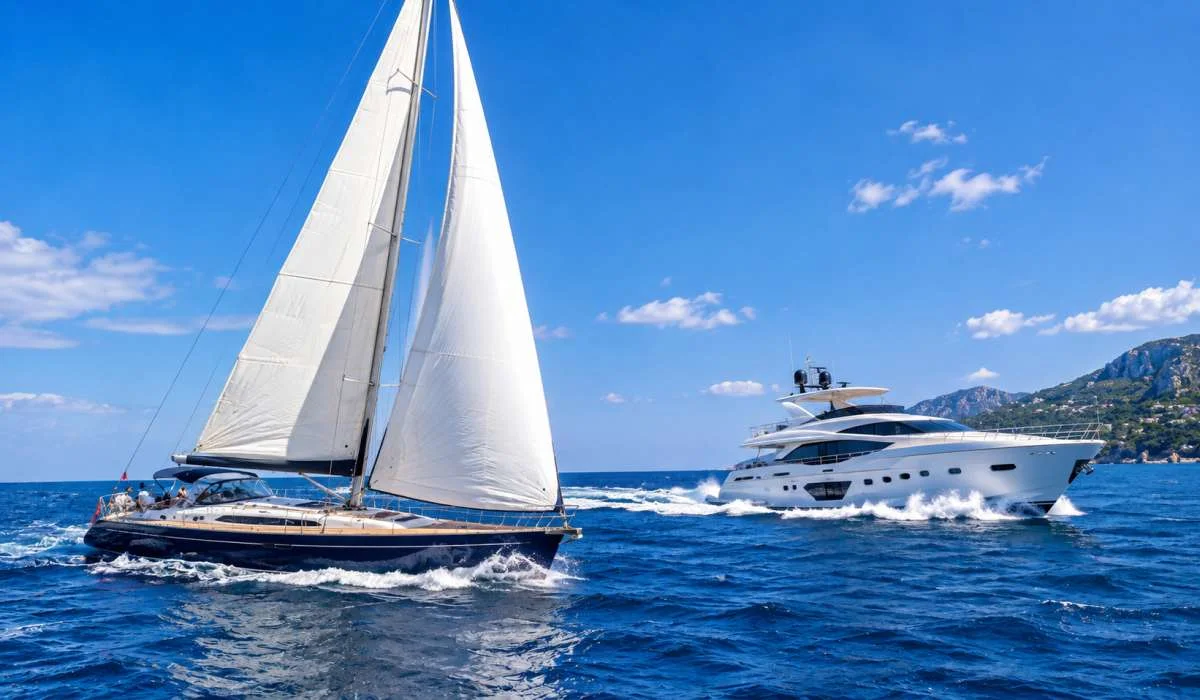
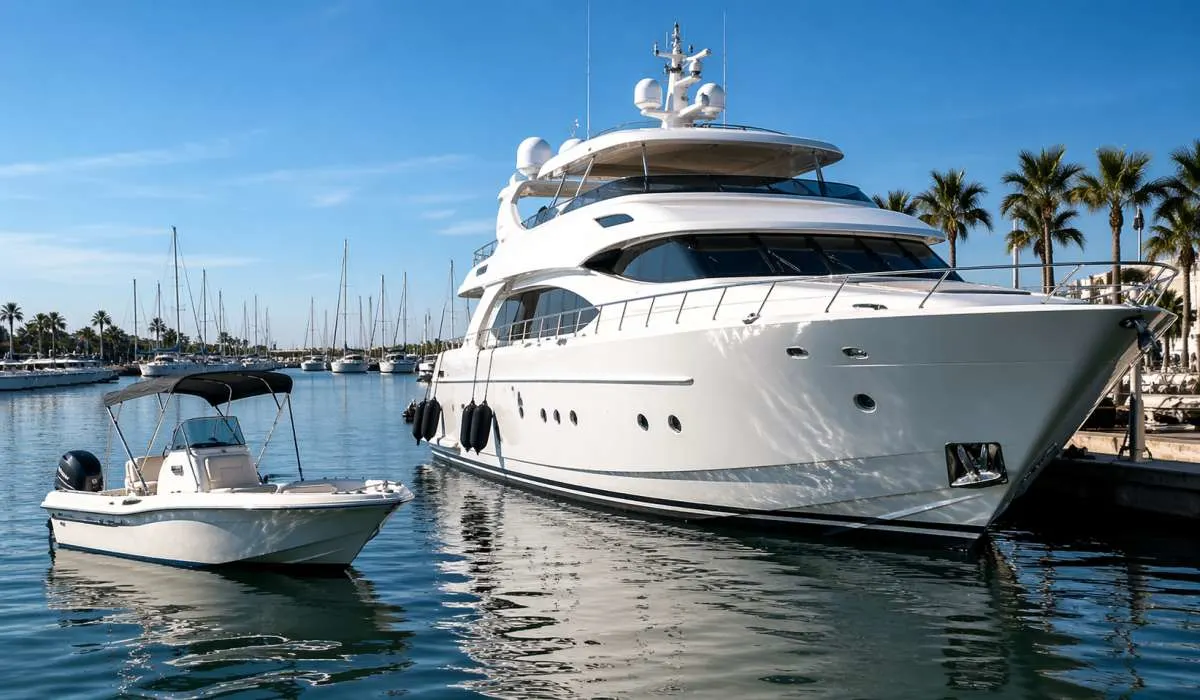
The difference between a yacht and a boat comes down to how they handle real days out there. I see guys pull up with boats around 35 feet or less they hop off after a morning fish, toss a cover on, and drive it home on a trailer that night.
Yachts stretch past that mark with actual rooms inside, spots to cook up dinner, beds that beat camping, and engines built to chew miles across open swells without blinking. One marina regular keeps his 28-footer for lake hops with the kids each weekend, but his buddy's 45-footer stays tied up month after month, loaded for island runs where the family unpacks bags and forgets the clock for a full week.
That jump in length turns a half-day splash into something you live inside, complete with hot showers after swimming and space to stretch out under stars you never spot from shore.
Size Makes the First Big Split
Start with something simple like a 20-foot fishing boat. One guy launches it alone from a trailer, heads out for a few hours, and comes back before dark. It fits in a garage, runs on gas from cans, and handles small waves near shore just fine.
Now picture stepping up to 45 feet. That changes the game. Space opens up for a real cabin below deck, a place to cook meals, and beds that actually let you sleep through the night. Owners moor these at marinas for weeks, not just afternoons. They cross bays or even head offshore when the weather holds. I remember watching one pull in after a trip from Florida to the Bahamas – the family looked rested, not beat from bouncing around.
That jump from under 40 feet to over it sets yachts apart. Boats keep things tight and easy to manage solo. Yachts demand more planning, like checking fuel for long hauls or lining up a slip big enough.
Read More: How Much Does It Cost to Charter a Yacht – Full Price Guide
Main Difference Between Yacht and a Boat
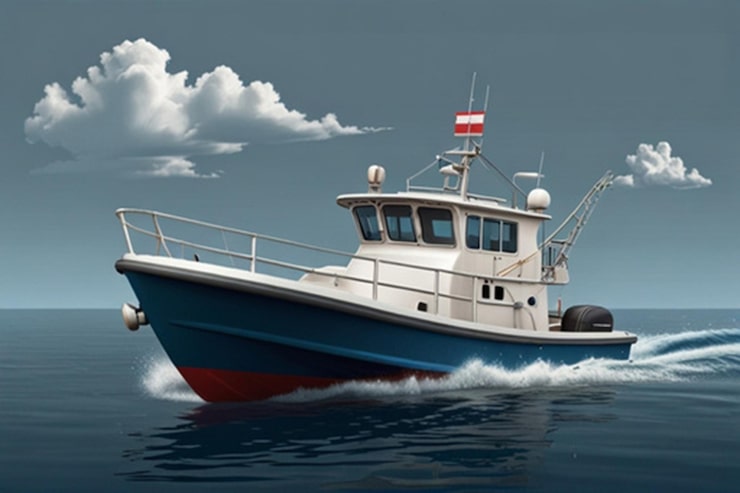
Yachts stand out from boats mainly through size and comfort for longer stays on water. Boats work for quick trips while yachts turn into floating homes. Here's the breakdown in clear points.
Size Difference
- Boats run small, often under 40 feet long. You tow them easy and one person handles most jobs.
- Yachts start bigger, from 35-50 feet up. They need docks and sometimes a team to move around.
- Extra length on yachts adds space for walking, sleeping, and eating without crowding.
Purpose Difference
- Boats focus on daily tasks like fishing, skiing, or short rides near shore.
- Yachts chase pleasure trips with friends, overnight stays, or crossing big waters.
- Owners use boats for fun close by; yachts host parties or family getaways far out.
Comfort Difference
- Boats keep it basic with seats, a cooler, and maybe a small spot to change.
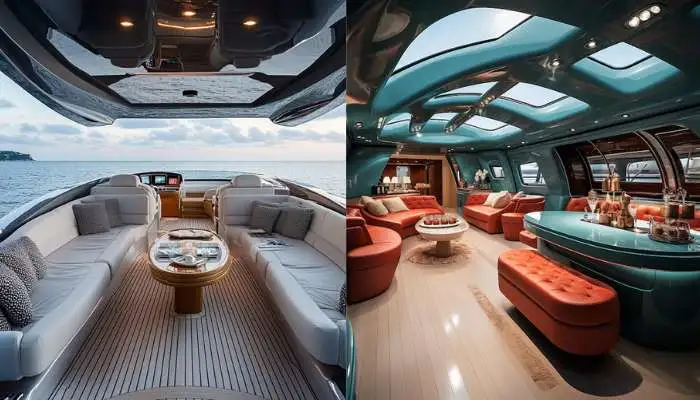
- Yachts pack beds, full kitchens, showers, and lounges like a house on waves.
- Yachts let you relax for days; boats suit hours on deck.
Power Difference
- Boats use simple motors on the back for fast starts and easy fixes.
- Yachts run strong engines inside for steady runs through rough seas.
- More power means yachts go farther without stopping.
Cost Difference
- Boats cost less, from thousands up to a few hundred grand.
- Yachts jump higher, starting over 100 grand with big yearly bills for fuel and care.
These points show yachts build on boat ideas but add luxury and reach for serious water time.
The Minimum Length Question Comes Up a Lot
Everyone wants to know the cutoff. From what I've seen at boat shows, 35 feet starts the yacht talk for most folks. At that point, you squeeze in a head with a shower, a galley that works for breakfast, and room for four to crash without feeling cramped.
Push to 40 feet and it feels solid. Hulls get deeper for stability, decks widen for lounging, and engines hum steady across open water. Some industry types draw the line at 24 meters, which shakes out to about 79 feet, but that's for fancy classifications and insurance papers. Everyday boaters call their 38-footer a yacht because it lives up to weekend getaways with all the comforts.
One friend bought a 36-footer last summer. He took his kids out for three days straight – cooked pancakes each morning, swam off the back, and never worried about space. His old 28-foot boat? Great for day trips, but they'd pile gear everywhere and rush home tired. Length opens doors to real escapes.
Yacht vs Boat Size Shows Up in Real Trips
Boats top out around 40 feet in practice. A 30-footer might carry you 100 miles out and back on a tank, sticking to protected waters. You beach it, tie it to a dock post, or pull it ashore. Storms send you running for cover quick.
Yachts stretch that world. A 50-footer gulps fuel for 500 miles easy, with tanks holding thousands of gallons. It laughs at choppy seas, thanks to weight and design. Up at 80 feet, you talk blue-water crossings, like Miami to Puerto Rico, with stops at quiet cays.
Here's how it plays out day to day:
| Everyday Split | Boat (Up to 40 ft) | Yacht (35 ft+) |
|---|---|---|
| Trip Length | Day or overnight | Week or more |
| Water Reach | Lakes, bays, near coast | Open ocean runs |
| People On Board | 4-6 max | 8-20 with room |
| Mooring Spot | Ramp or small dock | Full-service marina |
That size gap turns a ride into a journey. Boats deliver quick thrills. Yachts build lasting stories.
Purpose Shifts with Every Extra Foot
Grab a boat for hands-on fun. Cast lines for bass at dawn, tube with kids behind the wake, or paddleboard from the swim platform. You steer it, fix it, own every minute. No schedules or staff – just you and the water.
Yachts flip to hosting and relaxing. Picture anchoring off a beach with dinner tables set out, music playing low, friends sharing wine as the sun drops. Cabins let guests unpack for the weekend. You play captain or hand it to pros while sipping coffee on the flybridge. Trips feel like floating vacations, not errands on waves.
My neighbor started with a center-console boat for fishing buddies. Loved it for years. Then he stepped to a 52-foot yacht. Now he plans charters for clients, grills lobster at sunset, and returns with photos that make everyone jealous. Purpose grew right along with the hull.
You May Also Read: Best Yachts to Buy for First Time Owners

Comfort Levels Tell Their Own Tales
Climb aboard a typical boat. Seats bolt to the deck, a cooler holds drinks, maybe a porta-potty hides below. It works for sandy toes and cold beers after a ski run. You pack light and move fast.
Yachts turn that into home turf. Wood floors gleam underfoot, leather sofas face big screens, showers run hot with real water pressure. Staterooms stack private berths with linens and lights. Top ends add hot tubs or tenders for shore runs. Days blur without missing dry land.
Over 60 feet, crew quarters appear. They handle lines, scrub decks, fire up the grill. Guests kick back fully. I sailed on a 70-footer once forgot my phone below and didn't care for two days. Comfort like that hooks you.
Power Under the Hull Drives the Point Home
Boats hang motors off the back, simple to lift and service. A pair of 150-horsepower outboards zip you to plane fast, perfect for chasing fish or dodging traffic. Range caps at a couple hundred miles, but you trailer home easy.
Yachts bury diesel beasts inside, often twins or triples over 500 horsepower each. They churn steady at 20 knots for hours, generators kicking in for AC and lights. Deep keels slice swells instead of pounding through. Docking takes thrusters and practice or a mate calling distances.
Captains I know say boats dance on the surface. Yachts plow ahead, unfazed. Power matches ambition.
Money Talks in Clear Numbers
New boats launch under 30 grand for basics. Add trailers, gear, and winter storage, you still park it cheap. A solid 35-footer might hit 100 grand used, with upkeep under 5 grand a year if you wrench yourself.
Yachts start at 250 grand for entry-level 40-footers. Climb to millions for polished giants. Slips run 1,000 a month in good spots, fuel guzzles thousands per trip, crew salaries stack on. But resale holds strong for cared-for hulls.
Starters buy boats to test the waters. Committed folks yacht up, betting on joy that pays back in memories. Worth every penny if it fits your life.
Stories from the Dock Bring It Alive
A family man I met keeps his 32-footer for summer weeks with the boys. They fish, crab, tell tall tales – pure, simple water time.
Across the pier, a retired couple runs a 65-footer. They island-hop the Keys, host grandkids in air-conditioned staterooms, savor sunsets with full fridges. Same passion, worlds apart.
You choose based on dreams. Boats spark the fire. Yachts fan it into a blaze.
FAQs
What is the main difference between a yacht and a boat?
Yachts hit bigger sizes with room inside for days on the water. Boats stay smaller for short runs close to land. I spot it every time at the dock yachts moor long-term, boats trailer out same day.
What marks the minimum length of a yacht?
Around 35 to 40 feet kicks things off right. That gives space for a bed, cooking area, and smooth sailing past the bay. Took my friend's new 36-footer out once; slept like home after fishing all day.
How does yacht vs boat size change your trip?
Small boat means a few hours out, back before lunch with basic gear. Bigger yacht packs weeks away, extra guests, fuel for islands nobody sees daily. Swapped a day boat for a yacht trip last summer night skies beat any hotel.
Why do yachts cost more than boats?
Yachts need heavy engines, full cabins, pricey slips that add up monthly. Boats run light on gas, store cheap in your driveway. Started with a 25-footer under 20k; yacht dreams wait till paychecks grow steady.
Can you turn a boat into a yacht?
Grow it past 40 feet, stuff in living quarters and strong power, then it shifts. Length sets the base, extras make it real. Watched a guy stretch his old rig that way hosted his first big party afloat next season.