As you begin searching for your new SUV, the question that comes to mind is when you look at compact SUV vs midsize SUV review. Which one will work for you? Which one gives you the best value for money? Which one will be right for you? Which is the better value for money? Which one will allow you to have enough space for children and groceries?
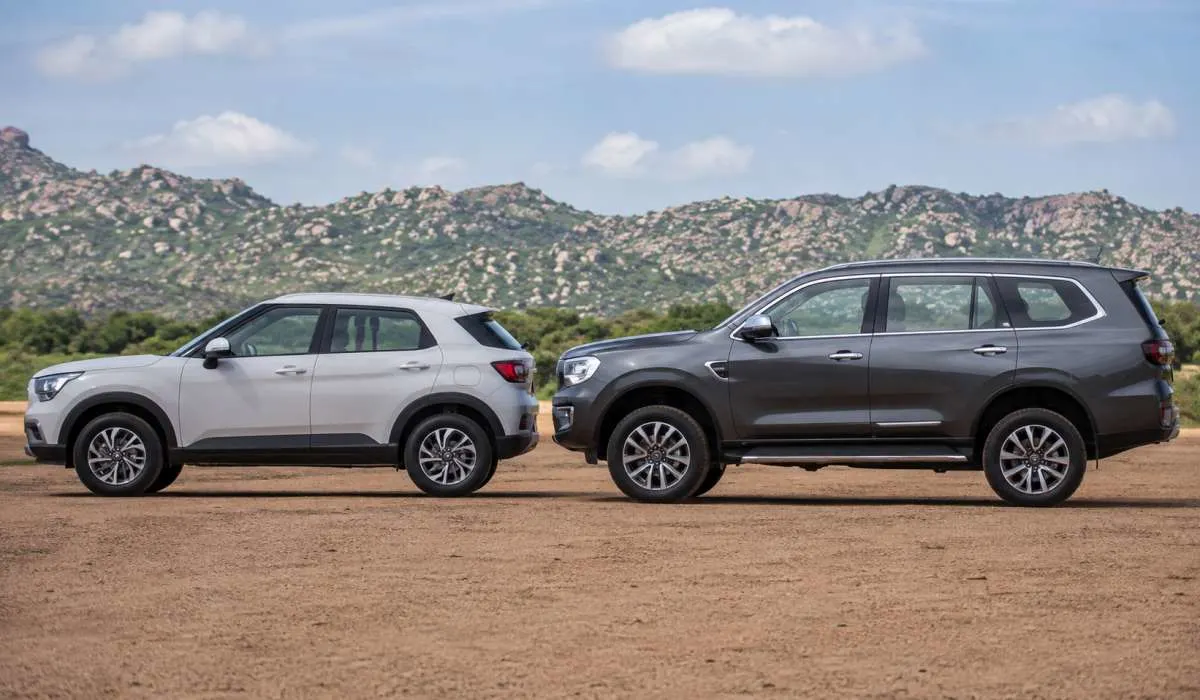
These two sizes appear to be the same in the photos but are totally different in the driving chair. One is smaller, lighter and less expensive. The other provides you with additional area, added comfort and extra room to breathe. This guide explains and clarifies the actual distinctions to help you choose which option you want without regretting your decision later. No jargon. No sales pitch. Focus on the positive and the negative.
What You Are Really Buying?
When you pick an SUV, you are not just buying metal and wheels. You are buying how your mornings will go. You are buying whether your kids fight over legroom. You are buying whether you can see over traffic or struggle to park at the grocery store. The size you choose changes all of that.
Read More: Toyota Highlander Review: Best Family SUV 2026
The Everyday Difference
I have driven both. Here is what stands out.
- Parking: With a compact SUV, you pull into any spot. No sweating. No three-point turns to get out of a tight garage. With a midsize, you start looking for end spots or spots next to empty spaces. You think twice before going into that crowded mall parking lot.
- School drop-off: Compact SUVs slide through the pickup line. Midsize SUVs feel like boats. You take up more room. Other parents get annoyed. You get annoyed.
- Road trips: This is where midsize SUVs win. Everyone has space. You pack more bags. You do not play "who sits where" based on who has the shortest legs. Compacts work too, but you pack smarter. Less stuff. More planning.
- Gas station: Compact SUVs cost less to fill. You go there less often. Midsize SUVs have bigger tanks and thirstier engines. You notice the difference every month when you check your bank account.

Let Me Give You Real Numbers
Forget the marketing brochures for a minute.
Compact SUV size:
- About 14 to 16 feet long
- About 5 feet 11 inches wide
- About 5 feet 3 inches tall
Midsize SUV size:
- About 15 to 16 feet long
- About 6 feet 1 inch wide
- About 5 feet 9 inches tall
Those few inches matter. A midsize SUV is wider. That means more shoulder room. But it also means you park farther from the line. You check your mirrors more.
Cargo space:
- Compact: You fit a stroller and groceries. Fold the seats and you fit a flatpack bookshelf.
- Midsize: You fit a stroller, groceries, and your mother-in-laws suitcase. Fold the seats and you fit a dresser. A big one.
Passenger space:
- Compact: Five seats. The back row works for adults on short trips. On long trips, they start complaining.
- Midsize: Five seats with more legroom. Or seven seats if you get the third row. That third row is tight, though. Kids fit there. Adults get grumpy back there.
The Money Part
This is where most people decide.
Price:
- Compact SUV in India: 8 lakh to 13 lakh
- Compact SUV in US: $28,000 to $35,000
- Midsize SUV in India: 15 lakh to 25 lakh
- Midsize SUV in US: $40,000 to $50,000
That gap is real. You are paying thousands more for a midsize. You have to decide if that extra room is worth that much money to you.
Fuel:
- Compact SUV: 17 to 20 kmpl in India. 30 to 40 MPG in US.
- Midsize SUV: 13 to 16 kmpl in India. 20 to 28 MPG in US.
Drive 1,500 kilometers a month. That difference adds up to a couple thousand rupees or a hundred dollars more every month. Over a year, that is real money.
Insurance, tires, maintenance:
Everything costs more on a midsize. Bigger tires cost more. Heavier parts wear out faster. Insurance premiums go up because the car costs more to fix.

Who Buys Which One?
Let me paint you some pictures.
Compact SUV buyer:
- Single person or couple
- One kid, maybe two if they are still small
- Drives to work every day
- Parks in the city
- Wants to save money
- Does road trips twice a year
Midsize SUV buyer:
- Two or three kids
- Drives the kids to school and activities
- Has a garage or driveway
- Takes family trips every few months
- Hauls gear for sports or camping
- Wants comfort over cost
I am not saying you have to fit these boxes. But if you look at who buys what, this is the pattern.
Real Models You Have Heard Of
Compact SUVs people actually buy:
- Honda CR-V
- Toyota RAV4
- Mazda CX-5
- Subaru Forester
- Tata Nexon (India)
- Maruti Suzuki Brezza (India)
- Hyundai Venue (India)
Midsize SUVs people actually buy:
- Honda Pilot
- Toyota Highlander
- Ford Explorer
- Hyundai Creta (India)
- Kia Seltos (India)
- Tata Harrier (India)
If you see one of these on the road, you know which size class it falls into. They are the most common choices for a reason.
You May Also Read: Toyota Land Cruiser Review: Strong, Comfortable, and Reliable SUV
What You Need to Ask Yourself?
Stop reading for a second. Think about your actual week.
- How many people ride with you on a normal day?
- How often do you fill the whole car?
- Where do you park most of the time?
- What is your monthly fuel budget?
- How much stuff do you carry regularly?
Write down your answers. Then match them to the two options.
- If you said "one passenger" and "parking lot at work" and "I watch my fuel costs," you are a compact SUV person.
- If you said "three kids" and "garage at home" and "I just want space," you are a midsize SUV person.
My Take
I have seen people buy midsize SUVs and hate them because they cannot park them. I have seen people buy compact SUVs and trade them in after a year because they could not fit the stroller and the groceries ogether.
The trick is being honest with yourself. Not what you want to be. What you actually need.
Most families with one kid do fine with a compact SUV. Most families with two or more kids prefer a midsize. That is the simplest rule of thumb.
If you are still stuck, rent both for a weekend. Drive a compact on Saturday. Drive a midsize on Sunday. Park them both. Load them both with your actual stuff. You will know which one works before Monday morning.
That is the real test. Not reading specs online. Not listening to a salesperson. Putting your own stuff in the back and driving your own route. You will pick the right one. Just trust your own experience more than the brochure.
FAQs
1. Which one is bigger?
Midsize. You get more room inside. More legroom. More space for bags. Compact is smaller. Easier to park. Easier to get in and out of tight spots.
2. Which one saves me money on fuel?
Compact does. It uses less fuel. Simple as that. Midsize weighs more. Heavier cars need more petrol. You pay more at the pump every week.
3. Can a compact SUV fit my family?
Depends on your family. Two kids? Fine. Three kids? Gets tight. The back seat works but adults feel cramped after a while. Midsize gives everyone breathing room.
4. How much more does a midsize cost?
Quite a bit more. You pay more to buy it. You pay more for tyres. You pay more for insurance. Even servicing costs a little extra. The gap adds up over time.
5. How do I pick the right one?
Be honest about your life. City driver? Get compact. Lots of kids or road trips? Get midsize. Go to a dealer. Sit in both. Try fitting your stroller or bags in the back. You will know straight away.